
Host a Retreat UK: A Practical Guide for British Retreat Organisers
Choosing to host a retreat UK organisers can be proud of takes more than a pretty location and a full class schedule. It calls for a clear sense of who your guests are, a venue that supports the atmosphere you want to create, and a plan that holds together from the first enquiry to the final goodbye. Whether you’re drawn to rolling countryside, a windswept coastline, a quiet forest clearing or a characterful town, the fundamentals of putting together a memorable retreat stay much the same.
How to Host a Retreat: The Groundwork
Before you think about décor or daily timetables, decide on the purpose of your gathering. A retreat built around stillness and rest looks very different from one designed for movement, creativity or team-building. Once that’s settled, the practical questions follow naturally:
- How many guests will you welcome, and what does that mean for sleeping arrangements, bathrooms and communal space?
- What season suits your theme — a crisp fresh-air stay in autumn feels quite different from a bright, long-day summer break?
- Will meals be prepared on site, brought in, or cooked collaboratively as part of the experience?
- What’s your budget per guest, and how does that shape the venue, catering and any facilitators you bring in?
Anyone learning how to host a retreat quickly discovers that logistics and atmosphere are equally important. A beautiful setting with poor Wi-Fi arrangements, awkward parking or an unclear cancellation policy can undo months of careful planning. Build a realistic timeline — most organisers start booking a venue and facilitators six to twelve months ahead, especially for weekends that fall in the more popular spring and early autumn windows.

Where to Host a Retreat: Choosing Your Setting
Britain’s landscape gives retreat hosts an unusually wide choice of settings within a short drive of most major cities. Rolling hills, ancient woodland, open moorland, quiet lakesides and dramatic coastline all sit within a few hours of London, Manchester, Edinburgh or Bristol, which makes the question of places to host a retreat near me easier to answer than many first assume.
Coastal spots suit retreats built around slower mornings and long walks, with sea air doing much of the work in helping guests unwind. Wooded valleys and river valleys offer natural shelter and a sense of enclosure that many find calming, particularly for retreats with a strong emphasis on quiet reflection. Hill country and open countryside, meanwhile, appeal to groups who want space to roam and views that shift with the light throughout the day.
When weighing up the best place to host a retreat, think beyond scenery alone. Consider travel time for your guests, the reliability of mobile signal if you want a genuine digital detox, and whether the surrounding area offers gentle activities — walking routes, a market town nearby, or simply a good spot for an evening stroll.
Hosting a Yoga Retreat
Among the many formats available, the yoga retreat remains one of the most popular to organise, and for good reason: it travels well to almost any setting. If you’re weighing up the best places to host a yoga retreat, look for a room with good natural light, enough floor space for mats to be laid out comfortably, and flooring that won’t feel harsh underfoot during longer sessions.
Those wondering where to host a yoga retreat often find that gardens, terraces or a sheltered outdoor deck add enormous value, letting a class move outside whenever the weather allows. If you’re planning to host a yoga retreat for the first time, keep the group small to begin with — a dozen guests is far easier to manage than thirty, and it gives you room to learn what works before scaling up.
For those asking where can I host a yoga retreat without committing to a large property straight away, smaller countryside cottages, converted barns and village halls with adjoining gardens can all work well as a starting point. Once you’re ready to host your own yoga retreat on a larger scale, a dedicated retreat house with purpose-built studio space becomes worth the investment.
Places to Host a Corporate Retreat
Corporate groups have different priorities from wellness guests, and the venues that suit them tend to reflect that. Among the most useful places to host a corporate retreat are properties with a genuine break room or lounge separate from the meeting space, reliable connectivity for anyone who needs to dip in and out of work, and outdoor areas suited to team activities. A change of scenery away from the office is often the whole point, so a countryside or coastal setting with a slightly more relaxed pace tends to work better than a venue that feels like just another conference centre.
How to Host a Wellness Retreat
A wellness retreat usually blends several strands — movement, nutrition, rest and sometimes therapeutic treatments — so the venue needs to flex accordingly. Anyone working out how to host a wellness retreat should think about quiet zones for guests who want to opt out of group sessions, a kitchen capable of producing wholesome meals for the whole group, and enough outdoor space for guests to spend time in nature between activities. Natural light, good ventilation and a sense of calm in the shared spaces all matter more here than in a purely social gathering.
Retreat Houses in Europe
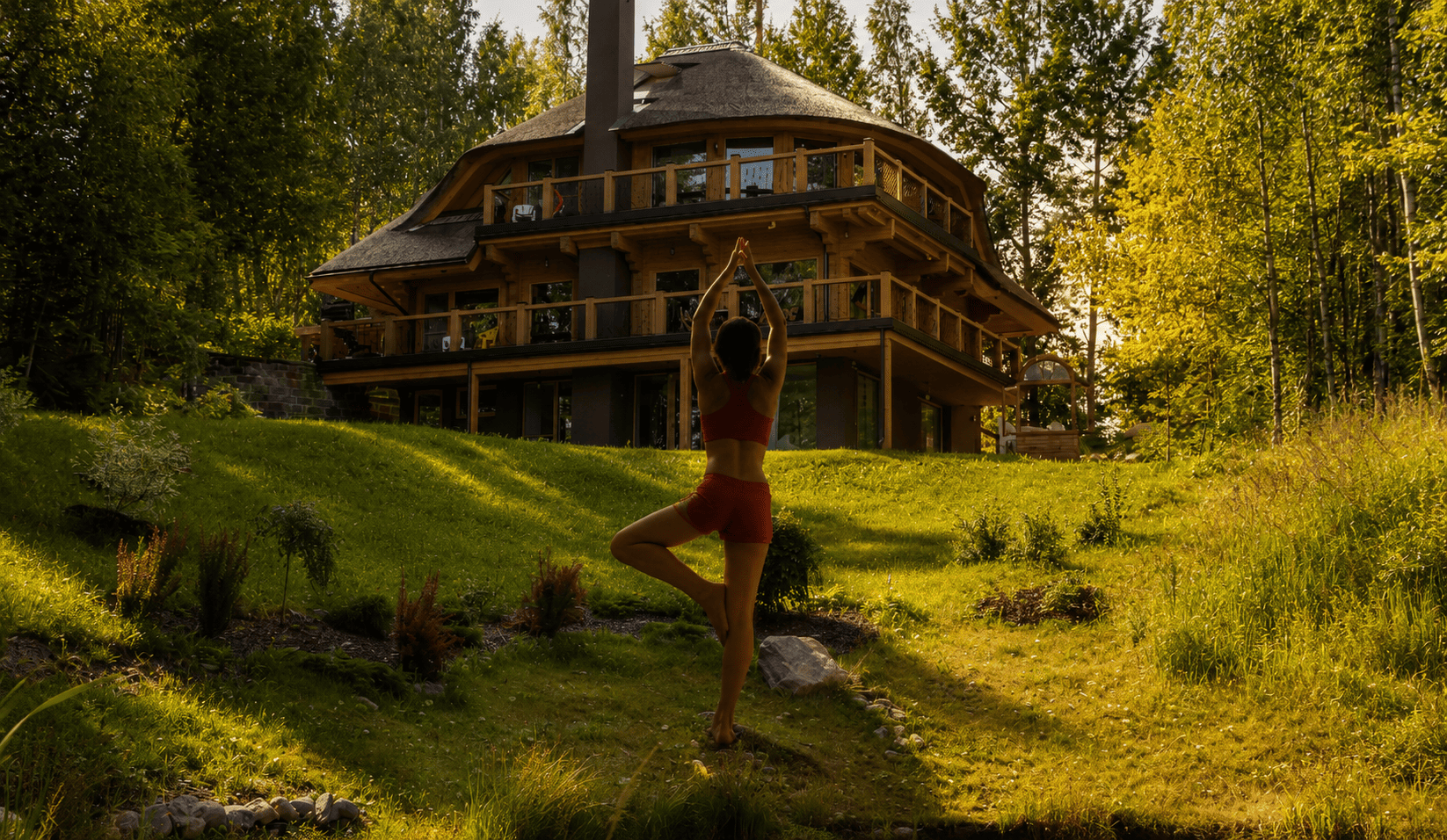
For British organisers open to hosting further afield, mainland Europe offers a wealth of retreat houses that combine large, flexible interiors with genuinely quiet natural surroundings — often at a lower cost per guest than comparable UK properties. The Baltic states, in particular, have seen a rise in purpose-built retreat houses set within forest and lakeland landscapes, offering the kind of stillness that’s increasingly hard to find closer to home. Narbuli Retreat House in Latvia is one such example: a retreat house set among forest and countryside in Amatciems, built specifically to host groups seeking space, quiet and a genuine change of scene. For organisers comparing options, this kind of property illustrates what to look for when weighing a European retreat house against a UK-based one — generous communal areas, straightforward access from a nearby city, and a landscape that does much of the emotional work of a retreat before the programme even begins.
Ready to Host Your Own Retreat?
There’s no single formula for a successful gathering, but the organisers who get it right tend to share a few habits: they choose a setting that matches their theme, they plan logistics early, and they leave enough breathing room in the schedule for guests to actually rest. Whether you’re taking your first steps toward learning how to host a yoga retreat or planning a larger wellness weekend, the process becomes far more manageable once the venue and purpose are clearly aligned. With Britain’s varied countryside, coastline and quiet corners on your doorstep — and further options across Europe if you’re willing to travel — there’s no shortage of ways to host your own retreat and make it one guests remember.
Leave a Reply
Want to join the discussion?Feel free to contribute!